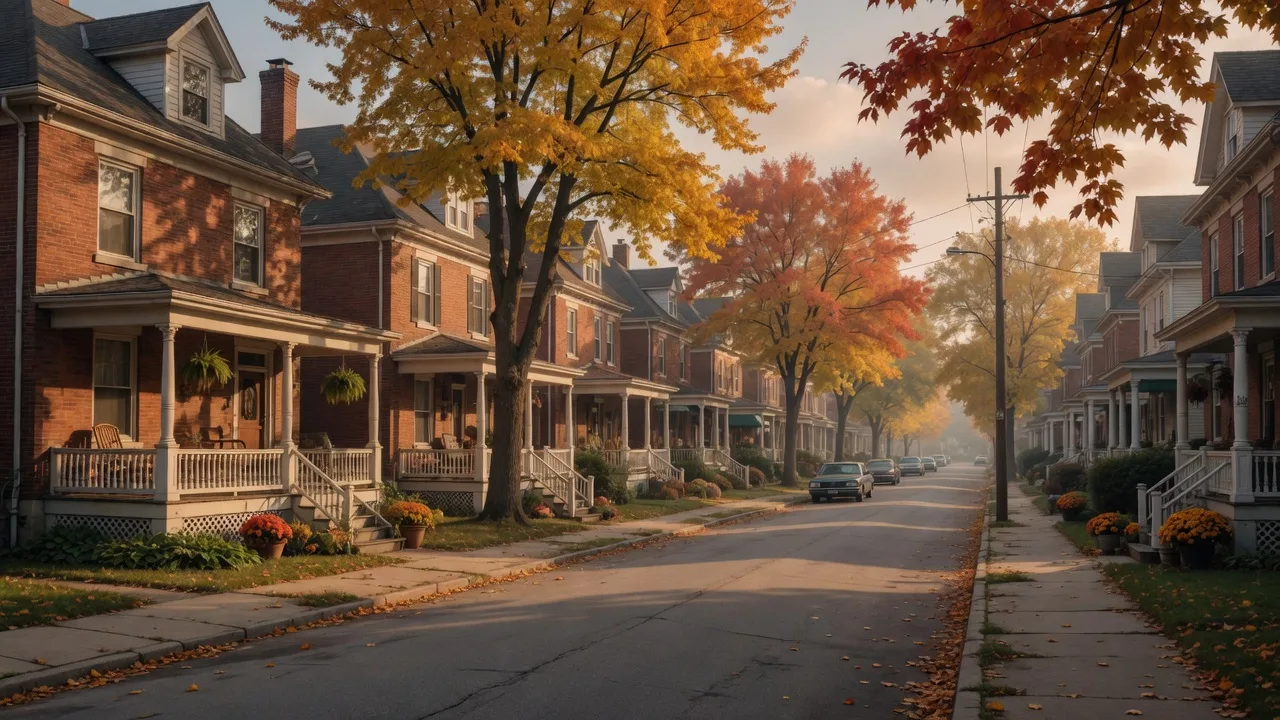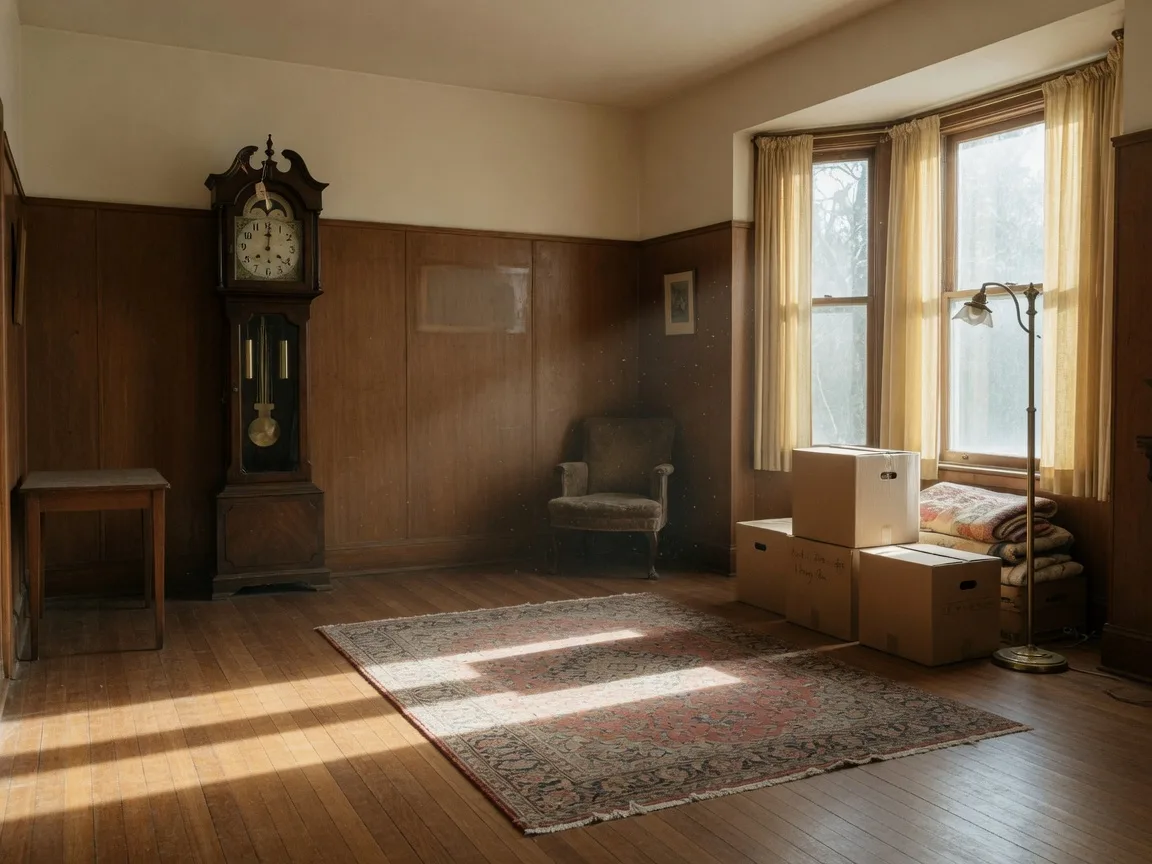
The first steps of a renovation decide how the whole project goes. Homeowners who start with clear goals, an honest budget, and a written plan get better results and far less stress than those who start with inspiration photos and a phone number. Here is the checklist to work through before the first hammer swings.
Key points
- Write down what you want the finished home to do before you think about finishes.
- Know your budget range, including a contingency for the unexpected.
- Have the home's systems checked so surprises surface before demolition, not after.
- Choose a contractor who puts the plan and the price in writing.
Define what success looks like
Before any conversation about cabinets or tile, write down what you want the finished space to do. Is the goal more counter space, a master bath, an open floor plan, or simply a home that stops leaking money on repairs? A clear definition of done makes every later decision simpler.
Share that definition with everyone who will live with the project. A renovation negotiated between two different pictures of success is a renovation that gets redesigned halfway through, which costs time and money.
Know your budget, including the contingency
Decide on a realistic budget range before you meet contractors, and be honest about what is comfortable versus what is possible. The range guides the scope: it decides whether the kitchen gets new cabinets or a full reconfiguration.
Build a contingency into the number from the start. A common planning rule of thumb is to set aside roughly ten percent for the surprises old homes keep behind their walls, though the right number depends on the home and the scope. What matters is that the surprise does not become a crisis.
Understand the bones before the beauty
Ask the right people to look at the systems the plan will touch: plumbing, electrical, HVAC, roof, and structure. A small electrical issue found in planning is a line item; the same issue found behind open walls is a change order, a delay, and a headache.
This is also when a contractor earns trust. The right partner points out what the home needs, not just what you asked for, and explains the trade-offs in plain language.
Choose the right partner
Look for a contractor who does the work you are planning, listens more than they talk, and puts everything in writing. Ask who will be on site, how decisions get communicated, and how changes to the scope are handled.
A written estimate, a written scope, and a written schedule are not formalities; they are the project's operating agreement. If a contractor will not commit to writing, keep looking.
Get it all in writing, then start
Once the scope, budget, and schedule are on paper and you are comfortable with the partner, the project can start on a clear footing. Every question from that point forward gets answered against the plan, which is how a renovation stays calm.
That is exactly how David Fincher runs his projects: a paint-by-numbers sequence, plain-English communication, and honest numbers at every step. The checklist above is step one of that process, and it is the step that makes all the others easier.

Written by
Greg Beetz
Part of the leadership team behind every project at this Dallas-Fort Worth home renovation and remodeling business, working alongside David Fincher.
Learn more about the teamReady to talk about your project?
Book a free consultation and leave with a clear picture of your next step, in plain English.
Book a free consultation